Cold water demands more than a comfortable fit. The right wetsuit balances neoprene thickness, seam construction, mobility, and entry design so you can stay warmer without feeling restricted.
This roundup compares 10 wetsuits for cold water across common thicknesses and use cases, from lightweight 3/2mm suits for active watersports to heavily insulated options for colder dives.
Best 10 Wetsuits for Cold Water Picks for 2026
Best for Scuba Diving
Henderson Thermoprene 5mm Jumpsuit

- 5mm insulation for cool water
- Glued and blind-stitched seams
- Durable scuba-focused construction
Best For: Scuba diving in approximately 60–70°F water
Best Fit Options

- 16 regular, short, and tall sizes
- Flexible 3/2mm neoprene
- Front zipper for easier changing
Best For: Multi-sport users needing varied fit options
Best Overall Performance
O’Neill Epic 4/3mm Full Wetsuit

- Warm 4/3mm construction
- Stretchy UltraFlex neoprene
- Sealed seams and durable knee pads
Best For: Surfing and varied water activities around 50°F
Deep-Dive Insulation
MARES Women's M-Flex 5mm Full Wetsuit

- 5mm neoprene for cold-water insulation
- Ultra-stretch material supports mobility
- Ergonomic, streamlined women's fit
Best For: Women divers needing substantial thermal protection
Multi-Sport Value

- Designed for water around 55°F and above
- Back zip with adjustable Velcro closure
- Reinforced knees for rough-use durability
Best For: Men using one suit across multiple water sports
Flexible Entry-Level Pick
O'Neill Women's Reactor-2 3:2mm

- Lightweight 3:2mm warmth and flexibility
- Easy-entry back-zip design
- Wind-resistant Smoothskin adds insulation
Best For: Women enjoying varied recreational water activities
Deep-Cold Coverage
7mm Ultra Stretch Winter Wetsuit

- 7mm neoprene is rated below 53.6°F
- Full-body UV and abrasion coverage
- Front zipper and stretch construction
Best For: Very cold-water diving and snorkeling
Versatile Midweight Pick
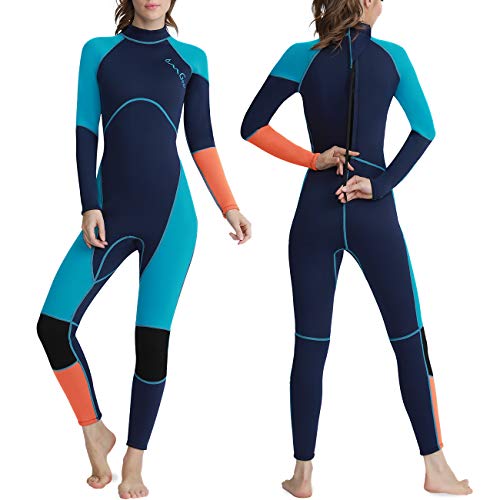
- 3mm neoprene for 60°F+ water
- UPF 50+ and full-body coverage
- Back zipper for easier dressing
Best For: Multi-sport use in moderately cool water
Best Budget-Friendly Pick – Dark Lightning 3/2mm Full Wetsuit
For shoppers comparing wetsuits for cold water, the Dark Lightning 3/2mm suit is a practical choice for mild-to-cool conditions. Its flexible neoprene construction is designed for comfort during recreational swimming, surfing, snorkeling, kayaking, and paddleboarding, particularly in water around 58–68°F.
Best For: Recreational users who want a flexible, understated full suit for mild-to-cool water.
Pros:
- 3/2mm high-elasticity neoprene supports warmth and unrestricted movement.
- Traditional back zipper and extended leash make entry and removal easier.
- Minimal all-black styling works across different water activities.
- Updated sizing guidance is based on customer fit insights.
Cons:
- Its 3mm thickness is intended for mild-to-cool water rather than the coldest conditions.
- The back-zip design may be less streamlined than a front-zip suit.
This is a sensible entry-level option when flexibility and easy changing matter more than maximum insulation. Check the updated size chart carefully before ordering.
Best for Scuba Diving – Henderson Thermoprene 5mm Jumpsuit
Henderson Man Thermoprene Jumpsuit (Back Zip) 5mm Scuba Wetsuit, Black/Blue, Size: X-Small
Check Price On AmazonAmong wetsuits for cold water, the Henderson Thermoprene Jumpsuit stands out for scuba divers needing more insulation than a lightweight 3mm suit. This 5mm full-body design is positioned for cool water around 60–70°F and combines construction details intended to retain warmth during repeated use.
Best For: Beginner and experienced scuba divers who prioritize insulation, durability, and long-term use.
Pros:
- 5mm Thermoprene construction suits cool-water diving conditions.
- Glued and blind-stitched seams help support warmth.
- Features include an adjustable collar, self-sealing zipper panel, and durable #10 YKK corrosion-resistant zipper.
- Duratex kneepads and pill-resistant outer fabric add durability.
Cons:
- The thicker 5mm construction may feel less flexible than a thinner recreational suit.
- Careful sizing is important because the suit should fit snugly without being too tight.
With its scuba-focused features and 10-year limited warranty, this Henderson suit is a strong choice for divers who want a more substantial layer for cool water. Those diving below the listed 60–70°F range may need a thicker model.
Best Fit Options – Hevto 3/2mm Front-Zip Wetsuit
The Hevto 3/2mm is a versatile option for shoppers seeking wetsuits for cold water across several activities. It uses a full-body neoprene design with a front zipper and offers 16 size options, including regular, short, and tall fits, to help accommodate different body shapes.
Best For: Men who want one flexible suit for surfing, swimming, snorkeling, kayaking, diving, or paddleboarding.
Pros:
- 3/2mm neoprene balances insulation with flexibility.
- Front zipper with an upgraded puller is designed for easier entry and exit.
- Sixteen size options include regular, short, and tall fits.
- Provides wind, sun, and scratch protection during varied water activities.
Cons:
- At 3mm in the body, it may not provide enough insulation for especially cold water.
- The listed temperature rating and general product description are not fully consistent, so use the thickness and fit guidance when judging warmth.
The Hevto’s strongest advantage is its fit range, especially for shoppers who struggle with standard proportions. It is best viewed as a flexible multi-sport suit for moderate conditions rather than a heavy cold-water design.
Best Overall Performance – O’Neill Epic 4/3mm Full Wetsuit
For shoppers comparing wetsuits for cold water, the O’Neill Epic 4/3mm offers a performance-oriented balance of warmth, stretch, and durability. Its 4mm construction, windproof chest and back panels, and sealed seam design are intended for surfing and other water activities in conditions around 50°F.
Best For: Surfers and active water enthusiasts who want versatile warmth with mobility and durable details.
Pros:
- 4/3mm construction provides more insulation than a standard 3/2mm suit.
- UltraFlex neoprene supports stretch in the shoulders, arms, and lower body.
- Windproof Smoothskin and FluidFlex Firewall panels add warmth in the chest and back.
- Glued and blind-stitched seams, a sealed neck, hand cuffs, and knee pads improve protection and durability.
Cons:
- The men’s tailored fit may not suit every body shape.
- A 4mm suit can be less flexible and lighter-feeling than a thinner 3/2mm option.
- Its back zipper is convenient, but some advanced surfers may prefer a front-entry design.
The Epic is a well-rounded choice when you need more warmth than a 3/2mm suit without moving to a heavier cold-water setup. Its broad activity range also makes it useful beyond surfing, including swimming, kayaking, and paddleboarding.
Deep-Dive Insulation – MARES Women's M-Flex 5mm Full Wetsuit
MARES Women's M-Flex 5mm Scuba Diving Neoprene One Piece Full Wetsuit for Cold Water, 4
Check Price On AmazonFor divers comparing wetsuits for cold water, the MARES Women’s M-Flex stands out with 5mm neoprene designed for thermal protection during extended underwater sessions. Its ultra-stretch construction and ergonomic cut aim to preserve mobility while maintaining a streamlined fit.
Best For: Women divers seeking substantial insulation for cold-water scuba diving.
Pros:
- 5mm thickness provides strong insulation for cold-water diving.
- Ultra-stretch neoprene supports flexibility and range of motion.
- Redesigned sizing and ergonomic shaping promote a more adaptable fit.
- Clean, streamlined styling minimizes distracting graphics and logos.
Cons:
- The 5mm construction may feel warmer and less lightweight than thinner suits.
- It is a full-body scuba suit, so it may be more coverage than needed for mild conditions.
This is a strong choice when insulation is the priority, especially for longer dives in colder water. Before ordering, carefully review the available sizing to get the tailored fit the design is intended to provide.
Multi-Sport Value – Men's 3mm Full Wetsuit
This men’s 3mm full wetsuit is a versatile option among wetsuits for cold water, with a stated temperature rating of 55°F and above. Its back zipper, adjustable Velcro closure, flatlock seams, and reinforced knee pads are geared toward practical use across diving, snorkeling, surfing, and kayaking.
Best For: Men wanting an affordable, versatile suit for water activities in conditions around 55°F and above.
Pros:
- 3mm neoprene is designed to retain body heat in cooler water.
- Back zipper and long pull rope make entry and exit easier.
- Anti-abrasion knee pads add protection against boards and rocky surfaces.
- Suitable for diving, snorkeling, surfing, swimming, and kayaking.
Cons:
- Its 3mm thickness offers less insulation than a 5mm cold-water suit.
- The listed temperature guidance is limited to 55°F and above.
- Care requires hand washing and flat air drying, rather than machine drying.
Choose this model when you want one suit for several water sports and moderate cold-water conditions. For significantly colder temperatures or extended dives, a thicker design may provide more appropriate insulation.
Flexible Entry-Level Pick – O'Neill Women's Reactor-2 3:2mm
The O’Neill Women’s Reactor-2 is a practical entry-level choice among wetsuits for cold water, balancing lightweight warmth with flexibility. Its 3:2mm construction, wind-resistant Smoothskin, back zip, and minimal-seam paddle zones make it suitable for a range of recreational water activities.
Best For: Women seeking an affordable, flexible full suit for surfing, diving, paddle sports, and lake activities.
Pros:
- Ultra-stretch neoprene provides a soft feel and easy movement.
- 3:2mm construction offers lightweight warmth and flexibility.
- Back zip with water-resistant closure simplifies entry and exit.
- Wind-resistant Smoothskin adds insulation and cold protection.
Cons:
- Its 3:2mm design may provide less insulation than a thicker 5mm suit.
- The listed size 10 measurements may not suit every body shape.
- As an entry-level suit, it may be less targeted to extreme cold-water use.
This suit makes sense for recreational users who value comfort, mobility, and easy changing over maximum insulation. It is best matched with moderate cold-water activities rather than the most demanding low-temperature dives.
Deep-Cold Coverage – 7mm Ultra Stretch Winter Wetsuit
For especially cold conditions, this 7mm full-body suit is a substantial option among wetsuits for cold water. It is rated for water below 53.6°F and combines stretchy neoprene with nylon, full coverage, and a convenient front zipper.
Best For: Cold-water scuba diving, snorkeling, and other water sports where maximum listed thickness and full-body coverage are priorities.
Pros:
- Thick 7mm neoprene is intended for water below 53.6°F.
- Full-body, long-sleeve design helps protect against sunlight, sharp objects, bruises, and stings.
- Front zipper with a long pull strap makes dressing easier.
- Stretch fabric and flatlock stitching support flexibility and durability.
Cons:
- The suit is designed to fit tightly and may feel restrictive at first.
- Sizing runs smaller, so buyers need to prioritize the weight guidance and consult the size information carefully.
- The suit may have a harmless glue odor when first unpacked.
This is the warmth-focused choice of the group, but its 7mm construction and smaller sizing make fit especially important. It is best suited to buyers who need substantial insulation rather than a lightweight, highly flexible suit.
Versatile Midweight Pick – 3mm Full-Body Wetsuit
This 3mm full-body suit is a practical middle-ground option among wetsuits for cold water, with a listed temperature suggestion of 60°F and above. Its neoprene-nylon blend emphasizes warmth, flexibility, and broad use across swimming, surfing, scuba, snorkeling, and kayaking.
Best For: Recreational water sports in moderately cool water, especially for buyers who want one suit for several activities.
Pros:
- 3mm neoprene is suggested for water temperatures of 60°F and above.
- Long sleeves and full-body coverage provide warmth, UV protection, and protection from scratches and marine life.
- Back zipper is designed to make putting the suit on and taking it off convenient.
- Available in adult sizes from S through 2XL.
Cons:
- It offers less insulation than a 7mm suit for colder water.
- The neoprene fit may feel tight, particularly for taller or broader users.
- A harmless adhesive odor may be noticeable when new.
Choose this model when flexibility and versatility matter more than maximum cold-water insulation. Its 3mm thickness suits moderately cool conditions, while the full-body design supports a range of recreational activities.
Flexible Fit Option – Skyone 3mm Front-Zip Wetsuit
The Skyone 3mm suit offers a snug, flexible design for shoppers comparing wetsuits for cold water across activities such as surfing, snorkeling, kayaking, and swimming. Its front zipper, flatlock stitching, and full-body coverage are geared toward movement and everyday comfort in cooler conditions.
Best For: Active adults who want a form-fitting 3mm suit with front-zip convenience and broad sizing options.
Pros:
- Stretchy 3mm neoprene provides thermal insulation while allowing movement.
- Front zipper with draw cord supports easier on-and-off access.
- Full-body coverage helps defend against cold, UV exposure, jellyfish, and sea lice.
- Flatlock stitching and high stretch recovery are designed for durability and reduced skin friction.
Cons:
- It is a 3mm suit, so it is not the thickest option for very cold water.
- The intended fit is very tight when dry and loosens in water, which may not suit everyone.
- Buyers must compare chest, waist, and hip measurements with the size chart.
This model stands out for its movement-friendly construction and front entry. It is a sensible choice for active water users who prefer a snug 3mm suit and want sizes extending from XS through XXXL.
How We Picked These Wetsuits for Cold Water
We focused on the features that have the greatest effect on warmth, comfort, and practical use: neoprene thickness, stretch, zipper placement, seam design, coverage, stated gender sizing, and intended activity. The selection includes entry-level suits and more specialized scuba-oriented designs, giving shoppers options for surfing, snorkeling, kayaking, swimming, and diving.
Because water temperature, wind, body type, and activity level all affect perceived warmth, no single suit is ideal for everyone. Treat the listed thickness as a starting point, then compare the manufacturer’s temperature guidance and size chart before ordering.
Quick Comparison
- 3/2mm suits: Best for milder cold water, active sports, and shoppers prioritizing flexibility.
- 4/3mm suits: A versatile middle ground for cooler surfing and general watersports.
- 5mm suits: Better suited to colder water, slower-paced activities, and scuba use.
- 7mm suits: Designed for very cold conditions when maximum insulation is more important than mobility.
- Back zips: Usually easier to put on and remove, particularly for beginners.
- Front zips: Can provide a close seal and streamlined feel, though they may take more effort to enter.
Key Buying Factors for Wetsuits for Cold Water
Thickness and Water Temperature
Thicker neoprene generally retains more heat but reduces flexibility. A 3/2mm suit can work well for active surfing or snorkeling in moderately cold water, while 5mm and 7mm designs are more appropriate for colder dives. For the lowest temperatures, a hood, gloves, boots, or layering system may also be necessary.
Fit and Mobility
A wetsuit should fit closely against the skin without painful compression, loose pockets, or excessive bunching. Gaps allow water to circulate and can quickly reduce warmth. Check chest, waist, inseam, torso, and shoulder measurements rather than choosing by height alone.
Seams, Entry, and Construction
Flatlock seams are comfortable and breathable but may allow more water through. Glued, blind-stitched, or sealed seams generally improve warmth. Back zippers are convenient, while front zippers can offer a snugger closure and greater shoulder flexibility when properly fitted.
Activity and Layering
Surfers and kayakers often benefit from stretch and freedom of movement. Divers may prefer thicker neoprene, durable construction, and compatibility with equipment. Consider whether the suit leaves room for a rash guard or thermal layer without becoming restrictive.
Who Should Buy Which Wetsuits for Cold Water?
- Choose a 3/2mm suit if you participate in active watersports, need maximum flexibility, or swim in moderately cool conditions.
- Choose a 4/3mm suit if you want one adaptable option for cooler surfing and recreational use.
- Choose a 5mm suit if you dive, snorkel, or spend extended time in colder water and prioritize insulation.
- Choose a 7mm suit if your priority is maximum warmth for particularly cold-water diving and you can accept added bulk.
- Choose a back-zip model for simpler dressing and removal, especially as a beginner or when changing without assistance.
- Choose a front-zip model if you value a close-fitting seal and are comfortable trading some convenience for a streamlined fit.
Before buying, confirm the exact size chart, return policy, zipper style, and thickness. A correctly fitted midweight wetsuit will usually keep you warmer than a thicker suit that is loose, overly tight, or poorly sealed.