The best laptops for video editing balance processor performance, graphics power, memory, storage, display quality, and portability. The right choice depends on whether you edit occasional social clips, produce 4K content, or manage professional workflows with demanding timelines and effects.
This roundup compares 10 selected laptops across Windows and macOS, including lightweight creator machines, affordable everyday options, and workstation-class systems. Use the guide below to match your editing software, footage, and budget with the hardware that makes the most sense.
Best 10 Laptops for Video Editing Picks for 2026
Best Lightweight Pick

- Core Ultra 9 processor with RTX 5050 graphics
- 32GB RAM and 2TB SSD
- About 3 pounds with a 16-inch display
Best For: Mobile creators who value portability and dedicated graphics
Best Renewed Workstation Value

- 14-core Intel Core i7 processor
- 32GB RAM, 1TB SSD, and RTX A1000 graphics
- 15.6-inch 1920x1200 display
Best For: Editors seeking workstation hardware at a potentially lower price
Best Upgradeable Budget Pick

- Ryzen 7 8745HS with Radeon 780M graphics
- Upgradeable RAM up to 64GB and dual SSD slots
- USB4 supports external-GPU expansion
Best For: Students and newer creators building an upgradeable editing setup
Best Professional Workstation

- Core i7-13850HX with RTX 2000 Ada 8GB
- 32GB CAMM RAM and 1TB NVMe SSD
- Supports four external 4K displays
Best For: Professional editors needing workstation-class GPU performance and connectivity
Best Portable Pick

- M5 chip with 16GB memory and 512GB SSD
- 13.6-inch Liquid Retina display
- Up to 18 hours of battery life
Best For: Students and mobile creators
Best Workstation Value

- Core i7 processor with 32GB RAM
- 1TB SSD and dedicated Nvidia Quadro graphics
- 15.6-inch Full HD display with HDMI and DisplayPort
Best For: Budget-focused Windows video editors
Best Expandable Windows Pick
NIMO 15.6-inch AI-Ready Laptop

- 12th Gen Core i5 with 32GB RAM
- 1TB PCIe 4.0 SSD with claimed expansion
- Broad ports and dual 4K monitor support
Best For: Students and entry-level video editors
Affordable Large-Screen Pick

- 17.3-inch FHD anti-glare display
- Ryzen 5 7520U with 8GB LPDDR5 RAM
- 512GB SSD and integrated Radeon graphics
Best For: Casual editing, students, and large-screen productivity
Workstation Power Pick

- 16-core Core i9 processor up to 5GHz
- 64GB DDR5 RAM and 2TB NVMe SSD
- Dedicated Nvidia RTX A2000 graphics
Best For: Demanding editing, large projects, and heavy multitasking
Balanced Productivity Pick
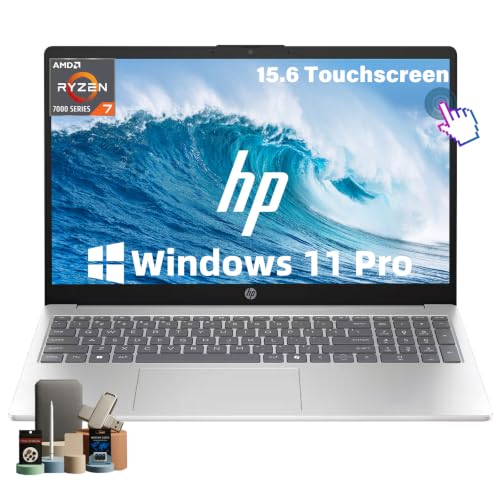
- Ryzen 7 7730U with 8 cores and 16 threads
- 32GB RAM and 1TB NVMe SSD
- 15.6-inch FHD IPS touchscreen
Best For: Everyday productivity and occasional light editing
Best Lightweight Pick – LG gram Pro 16
For shoppers seeking laptops for video editing that are easy to carry, the LG gram Pro combines a Core Ultra 9 processor, RTX 5050 graphics, 32GB of RAM, and a 2TB SSD in a roughly 3-pound design. Its 16-inch display and variable refresh rate also suit editing, streaming, and general multitasking.
Best For: Mobile creators who want strong hardware without a heavy workstation chassis.
Pros:
- RTX 5050 graphics support rendering and creative applications.
- 32GB DDR5 RAM and a 2TB SSD provide substantial working memory and storage.
- Lightweight 0.6-inch design with a 90Wh battery and advertised extended video playback.
- 144Hz-capable variable refresh rate supports smooth on-screen motion.
Cons:
- The lightweight design may prioritize portability over maximum sustained workstation performance.
- The supplied notes do not specify display color-gamut coverage or resolution.
The LG gram Pro is a well-rounded option when portability matters as much as editing capability. Its dedicated GPU, generous memory, and large SSD make it more suitable for creator workloads than a typical ultraportable, while the thin chassis remains a central advantage.
Best Renewed Workstation Value – Dell Precision 5570
The renewed Dell Precision 5570 is a practical choice among laptops for video editing if you want workstation-oriented hardware at potentially lower cost. It pairs a 14-core Intel Core i7 processor with 32GB of RAM, a 1TB SSD, and dedicated NVIDIA RTX A1000 graphics.
Best For: Budget-conscious editors who prefer a professional workstation platform and Windows 11 Pro.
Pros:
- 14-core Core i7-12700H-class processor is suited to demanding multitasking.
- 32GB DDR5 RAM and a 1TB SSD provide a solid editing baseline.
- Dedicated RTX A1000 graphics include 4GB of graphics memory.
- FHD+ 1920×1200 display and HDMI/DisplayPort connectivity support external-screen setups.
Cons:
- As a renewed laptop, condition and remaining longevity may vary.
- The 42Wh battery is relatively modest for mobile editing sessions.
- The 60Hz display and listed 1920×1200 resolution are less focused on high-refresh viewing.
This Precision 5570 makes the most sense when workstation features, memory, and dedicated graphics outweigh the benefits of buying new. Its renewed status and smaller battery are trade-offs, but the configuration remains capable for many editing workflows.
Best Upgradeable Budget Pick – NIMO AI Creator Laptop
The NIMO AI Creator Laptop is an accessible starting point for laptops for video editing, with a Ryzen 7 8745HS processor, integrated Radeon 780M graphics, 16GB of RAM, and a 1TB PCIe 4.0 SSD. Its upgrade-friendly design gives users room to expand memory and storage as projects become more demanding.
Best For: Students and newer creators who want an upgradeable system for 1080p editing and everyday creative work.
Pros:
- 45W Ryzen 7 processor and Radeon 780M integrated graphics support mainstream creative software.
- RAM can be upgraded to 64GB, and dual SSD slots allow additional storage.
- USB4 provides an expansion path for an external GPU.
- 15.6-inch FHD display and 100W USB-C PD charging suit mobile work.
Cons:
- Integrated graphics are less suited to heavy 4K editing and demanding effects than a dedicated GPU.
- The starting 16GB of RAM may be limiting for complex timelines and large projects.
- The supplied notes do not specify display color accuracy or gamut.
NIMO offers flexibility that is valuable for an entry-level creator system. It is best viewed as an expandable editing laptop rather than a finished high-end workstation; future RAM, storage, or external-GPU upgrades can extend its usefulness.
Best Professional Workstation – Dell Precision 7680
For demanding laptops for video editing workloads, the Dell Precision 7680 delivers workstation-class components: an Intel Core i7-13850HX processor, NVIDIA RTX 2000 Ada graphics with 8GB of GDDR6, 32GB of DDR5 CAMM memory, and a 1TB NVMe SSD.
Best For: Professional editors and technical creators who need dedicated graphics, broad connectivity, and certified workstation software support.
Pros:
- RTX 2000 Ada graphics with 8GB VRAM are designed for professional creative workloads.
- Core i7-13850HX processor and 32GB CAMM memory support intensive multitasking.
- Supports up to four external 4K displays at 60Hz without a docking station.
- Thunderbolt 4, USB-C, USB-A, HDMI, Ethernet, and Wi-Fi 6E offer extensive connectivity.
Cons:
- At 5.9 pounds, it is considerably less portable than lightweight creator laptops.
- The listed 16-inch FHD+ display is specified at 45% NTSC, which may not satisfy color-critical editing without an external monitor.
- The computer has been resealed for an SSD upgrade, so buyers should review the included warranty coverage.
The Precision 7680 is the strongest fit here for sustained professional workflows and multi-monitor production. Its powerful GPU, workstation certifications, and port selection are compelling, but the weight and display gamut make an external calibrated monitor worth considering for color-sensitive projects.
Best Portable Pick – Apple MacBook Air M5
For shoppers seeking laptops for video editing in a lightweight package, the 2026 MacBook Air combines the M5 chip, 16GB unified memory, and a 512GB SSD with a sharp 13.6-inch Liquid Retina display. Its long battery rating and compact design make it especially practical for editing on the move, though the supplied specifications do not identify a dedicated graphics card.
Best For: Students, mobile creators, and Mac users who prioritize portability, battery life, and a high-quality display.
Pros:
- M5 chip, 16GB unified memory, and 512GB SSD support demanding creative workflows.
- Liquid Retina display supports 1 billion colors for detailed photo and video viewing.
- Up to 18 hours of battery life and a 2.71-pound design suit mobile work.
- Two Thunderbolt 4 ports and support for up to two external displays add flexibility.
Cons:
- The 13.6-inch screen may feel small for timeline-heavy editing.
- The supplied notes do not list a dedicated graphics card.
- 512GB of storage may fill quickly with large video projects.
This is a strong portability-first option for light to moderate editing and general creative work. Consider an external drive if your projects routinely involve large source files.
Best Workstation Value – Dell Precision 5550
The renewed Dell Precision 5550 is one of the more workstation-oriented laptops for video editing in this roundup. It pairs a 10th Gen Core i7-10850H with 32GB of RAM, a 1TB SSD, and dedicated Nvidia Quadro graphics with 4GB of graphics memory. Its 15.6-inch Full HD display and Windows 11 Pro make it a practical choice for Windows-based creative work.
Best For: Budget-conscious editors who want workstation-class hardware, ample memory, and dedicated graphics in a renewed laptop.
Pros:
- 32GB RAM supports multitasking with editing applications and other tools.
- 1TB SSD provides useful room for active projects and media files.
- Dedicated Nvidia Quadro graphics include 4GB of graphics memory.
- HDMI and DisplayPort support external-monitor setups.
Cons:
- The 2020 model uses an older 10th Gen processor.
- The 1920-by-1080 display offers less workspace than higher-resolution panels.
- As a renewed product, condition and battery performance may vary.
The Precision 5550 stands out when dedicated graphics and generous RAM matter more than having the newest platform. Its older processor and standard Full HD screen are the main trade-offs to weigh before buying.
Best Expandable Windows Pick – NIMO 15.6-inch AI-Ready Laptop
The NIMO offers a well-rounded Windows setup for shoppers comparing laptops for video editing, with a 12th Gen Intel Core i5-12450H, 32GB of RAM, and a 1TB PCIe 4.0 NVMe SSD. Its 15.6-inch Full HD screen, broad port selection, and claimed expansion capacity make it appealing for students and entry-level editors, although the supplied notes do not specify dedicated graphics.
Best For: Students and everyday creators who want strong multitasking, generous storage, and convenient connectivity at a practical price.
Pros:
- 32GB RAM and a 1TB PCIe 4.0 SSD provide substantial working capacity.
- 12th Gen Core i5-12450H has 8 cores, 12 threads, and speeds up to 4.4GHz.
- Ports include HDMI, USB-C, USB 3.2, Micro SD, and a headphone jack.
- Supports dual 4K external monitors according to the supplied notes.
Cons:
- The supplied specifications do not identify a dedicated graphics processor.
- The display is Full HD rather than a higher-resolution editing panel.
- The claimed 8-to-10-hour battery range depends on usage.
This NIMO is a flexible choice for editing basics, schoolwork, and multitasking, especially if expandable storage and built-in ports are priorities. More demanding effects-heavy workflows may benefit from a system with clearly specified dedicated graphics.
Affordable Large-Screen Pick – HP 17 Ryzen 5 Laptop
For shoppers comparing laptops for video editing on a practical budget, this HP model offers a spacious 17.3-inch FHD anti-glare display, a Ryzen 5 7520U processor, 8GB of LPDDR5 memory, and a 512GB SSD. Its integrated Radeon graphics make it better suited to everyday editing and lighter projects than demanding professional workflows.
Best For: Students, business users, and casual creators who prioritize a large screen, Windows 11 Pro, and basic video-editing capability.
Pros:
- Large 17.3-inch 1920×1080 anti-glare display with a narrow bezel.
- Ryzen 5 processor with 4 cores, 8 threads, and speeds up to 4.3GHz.
- 512GB PCIe NVMe SSD, Wi-Fi 6, HDMI, and USB-C connectivity.
- Includes a privacy-shutter camera, numeric keypad, mouse, and tablet stand.
Cons:
- 8GB of memory may limit heavier multitasking and complex editing timelines.
- Integrated graphics are less suitable for demanding effects or high-resolution production.
- The 17.3-inch design is less convenient for frequent travel.
This HP is a sensible entry-level choice when screen size matters most. It can handle straightforward editing, streaming, and productivity, but creators working with complex projects should consider a workstation with dedicated graphics and more memory.
Workstation Power Pick – Dell Precision 7670 Laptop
Among laptops for video editing, the renewed Dell Precision 7670 stands out for its workstation-class configuration. It combines a 16-core Intel Core i9-12950HX processor, 64GB of DDR5 RAM, a 2TB NVMe SSD, and a dedicated Nvidia RTX A2000 GPU with 4GB of graphics memory.
Best For: Editors who need substantial multitasking capacity, large project storage, and dedicated graphics for photo and video work.
Pros:
- 16-core Core i9-12950HX processor with boost speeds up to 5GHz.
- 64GB of 4800MHz DDR5 RAM supports demanding multitasking.
- 2TB PCIe NVMe SSD provides fast storage for large media libraries.
- Dedicated Nvidia RTX A2000 graphics with 4GB GDDR6 memory.
Cons:
- The renewed unit includes a limited 90-day warranty.
- At 5.8 pounds, it is heavier than many portable notebooks.
- The listed 1920×1200 display is practical, but not a high-resolution editing panel.
This is the strongest performance-oriented option in the group. Its processor, memory, storage, and dedicated GPU are well matched to demanding workflows, although buyers should weigh the added weight and renewed-product warranty against the workstation capability.
Balanced Productivity Pick – HP Ryzen 7 Touchscreen Laptop
This HP is a balanced option for shoppers seeking laptops for video editing alongside everyday work. Its Ryzen 7 7730U processor, 32GB of RAM, and 1TB NVMe SSD provide useful headroom for multitasking, while the 15.6-inch FHD IPS touchscreen supports reviewing footage and managing creative applications.
Best For: Home users, students, and professionals who want strong everyday multitasking with occasional light video editing.
Pros:
- Eight-core, 16-thread Ryzen 7 7730U processor.
- 32GB of RAM and a 1TB NVMe SSD offer comfortable working capacity.
- 15.6-inch FHD IPS touchscreen with wide viewing angles and anti-glare treatment.
- Lightweight 3.52-pound design, Wi-Fi 6, USB-C, HDMI, and privacy-shutter camera.
Cons:
- Integrated Radeon graphics are intended for lighter editing rather than demanding production.
- The 1920×1080 display has a listed 45% color gamut, which may limit color-critical work.
- It lacks the dedicated GPU found in the Dell workstation.
With ample memory and storage, this HP is a versatile everyday laptop that can accommodate light editing projects. Its integrated graphics and modest listed color gamut make it less appropriate for professional color grading or GPU-intensive effects.
How We Picked the Best Laptops for Video Editing
We focused on the hardware that most directly affects editing performance: CPU class, graphics capability, RAM, SSD capacity, display size, operating system, and overall mobility. The selection includes modern creator laptops, refurbished Dell Precision workstations, Apple silicon, and lower-cost Windows models so different editors can find a practical fit.
Workstation models generally offer stronger sustained performance and professional graphics hardware, while newer thin laptops can be easier to carry and more efficient. We also considered whether each configuration is better suited to basic 1080p editing, routine 4K work, or heavier effects and multitasking.
Quick Comparison
| Type | Best For | Prioritize |
|---|---|---|
| Portable creator laptop | Travel, school, and mobile editing | Battery life, weight, display, and a capable GPU |
| Mobile workstation | Professional editing and complex timelines | High-end CPU, dedicated graphics, RAM, and cooling |
| Budget Windows laptop | 1080p clips and light projects | At least 16GB RAM and a fast SSD |
| MacBook Air | Quiet everyday editing and Apple workflows | Unified memory, storage, software compatibility, and battery life |
Key Buying Factors for Laptops for Video Editing
Processor and Sustained Performance
Video editing benefits from a strong multi-core processor, especially when encoding, rendering, stabilizing footage, or exporting. Look beyond peak clock speed: cooling and sustained performance matter because thin laptops may slow down during long renders.
Graphics Processing
A dedicated NVIDIA GPU can accelerate effects, color workflows, playback, and exports in software that supports GPU processing. Integrated graphics or Apple silicon can handle many everyday projects, but demanding 4K effects, 3D work, and noise reduction favor more graphics headroom.
Memory and Storage
Choose 16GB of RAM as a practical starting point; 32GB or more is preferable for 4K editing, large projects, and simultaneous use of editing, audio, and graphics applications. An SSD improves startup, media access, and project responsiveness. A 1TB drive is more useful than 512GB if you keep active footage locally, though an external SSD can expand capacity.
Display and Connectivity
A sharp, bright display makes timeline work and detail checking easier. Creators who grade color should verify coverage and accuracy rather than relying only on resolution. USB-C, USB-A, HDMI, and fast external-storage support can also matter when connecting cameras, drives, monitors, and card readers.
Software Compatibility and Portability
Confirm that the laptop supports your preferred editor, plug-ins, codecs, and peripherals. Windows provides broad hardware and software flexibility, while macOS offers efficient Apple silicon performance and a streamlined creative ecosystem. Consider weight, battery life, fan noise, and charger size if you edit away from a desk.
Who Should Buy Which Laptops for Video Editing?
Choose a lightweight creator laptop if you travel frequently, edit social content, or want a capable machine without workstation weight. Choose a Dell Precision workstation for demanding timelines, frequent rendering, heavier effects, and expandable professional workflows; refurbished models can offer more performance per dollar, but inspect warranty and battery condition.
Choose the MacBook Air if you prefer macOS, value quiet operation and battery life, and work with software and media formats supported by Apple silicon. Choose a budget HP or NIMO configuration for basic 1080p editing, school projects, and occasional creator work, but avoid expecting workstation-level performance from integrated graphics or entry-level memory.