The best headlamps for hiking keep your hands free while helping you navigate early starts, late finishes, campsites, and unexpected delays on the trail. This roundup compares 10 practical options with different power systems, brightness levels, beam designs, and weather resistance.
Whether you prioritize low weight, long runtime, red-light modes, rechargeable convenience, or a dependable backup, the right headlamp should match the conditions and duration of your hikes.
Best 10 Headlamps for Hiking Picks for 2026
Best Lightweight Pick

- 3.2-ounce lightweight design
- Up to 45-hour runtime
- IPX5 water resistance and red light
Best For: Lightweight hiking and everyday outdoor use
Best Rechargeable Value
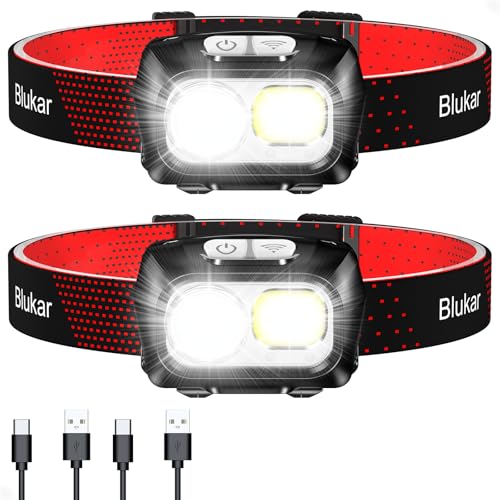
- USB-C rechargeable 1200mAh battery
- Eight lighting modes with motion sensor
- Spotlight and floodlight options
Best For: Flexible trail lighting and hands-free convenience
Best Emergency-Ready Option

- 260 lumens with spot and wide-beam modes
- Three AAA batteries included
- IPX4 water resistance and 1-meter impact resistance
Best For: Hiking, camping, and emergency kits
Best Weather Protection

- 350-lumen output with red night vision
- IP67 waterproof construction
- AAA or optional BD 1500 battery compatibility
Best For: Wet-weather hiking and rugged outdoor use
Best for Easy Setup

- Rechargeable 1,500mAh battery with up to 10 hours of stated runtime
- Eight modes include white, red, and SOS lighting
- Lightweight two-pack with motion sensing and 60-degree pivot
Best For: Hikers wanting rechargeable convenience and a spare headlamp
Best Battery-Powered Two-Pack
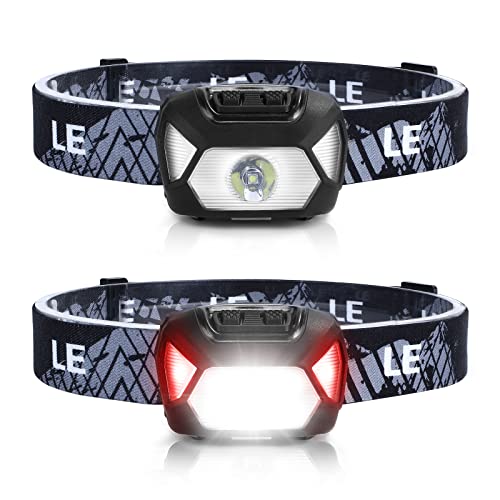
- Six modes combine spot, flood, and red lighting
- Replaceable AAA batteries and up to 22 hours on low
- Lightweight, washable headband with 45-degree tilt
Best For: Hikers who prefer replaceable batteries and versatile beams
Best Wide-Beam Design
SVSVIIO K0206 Rechargeable Headlamp

- 230-degree beam angle provides broad trail visibility
- 1,500-lumen output and rechargeable 2,000mAh battery
- Digital battery display and IPX5 water resistance
Best For: Hikers prioritizing wide coverage and battery-status visibility
Best Budget Rechargeable
Lightweight 300-Lumen Headlamp

- USB rechargeable with up to 30 hours of stated runtime
- Five white and red light modes
- Lightweight design with 45-degree tilt and IPX4 protection
Best For: Everyday hiking, camping, and running
Best Two-Pack Value
Battery-Powered Headlamps with Red Light

- Two headlamps included for shared or backup use
- Seven modes with white, strobe, and red light
- Uses replaceable AAA batteries; batteries not included
Best For: Families, emergency kits, and no-charging situations
Best Beam Control
Zoomable IPX6 Rechargeable Headlamp
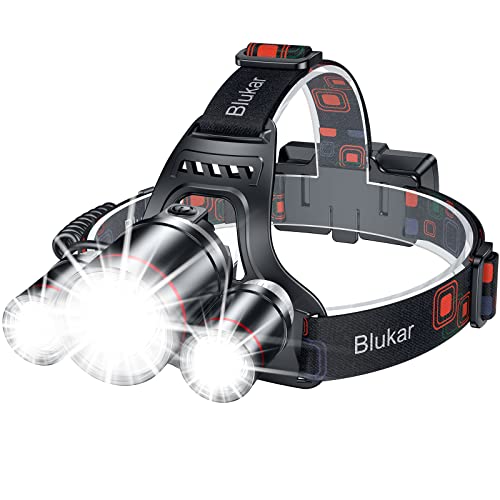
- Zoomable beam supports spotlight and floodlight use
- Five modes, 90-degree tilt, and helmet mounting
- USB-C rechargeable with stated 20-hour runtime and IPX6 rating
Best For: Variable trail conditions and wet-weather hiking
Best Lightweight Pick – Foxelli MX20 Headlamp
For hikers who want a lightweight, battery-powered option, the Foxelli MX20 is a practical choice among headlamps for hiking. It weighs 3.2 ounces with batteries, offers white and red lighting modes, and includes a 45-degree tilting body for directing light where you need it.
Best For: Lightweight hiking, running, dog walking, and general outdoor use.
Pros:
- Lightweight 3.2-ounce design with an adjustable elastic headband
- Up to 45 hours of runtime from three included AAA batteries
- IPX5 water resistance, red light, SOS, and strobe modes
- 45-degree tilting body and 165-foot beam distance
Cons:
- Uses disposable AAA batteries rather than USB-C charging
- 165 lumens may be less powerful than some high-output hiking headlamps
The MX20 balances comfort, runtime, and useful emergency features in a simple battery-powered package. Its modest weight makes it especially appealing for long walks and hikes where comfort matters.
Best Rechargeable Value – Blukar USB-C Headlamp
The Blukar rechargeable headlamp stands out for hikers who prefer flexible lighting and USB-C charging. Its spotlight and floodlight setup, eight lighting modes, motion sensor, and continuous dimming make it adaptable for both trail navigation and close-up tasks.
Best For: Hikers seeking rechargeable convenience, multiple modes, and hands-free sensor control.
Pros:
- USB-C rechargeable 1200mAh battery with a stated 2- to 3-hour charging time
- Spotlight, floodlight, red light, SOS, and motion-sensor modes
- 45-degree adjustment and washable, adjustable headband
- IPX5 waterproof rating for rain and snow exposure
Cons:
- Reported lighting time varies by mode, from about 3.5 to 5 hours
- Supplied notes describe a two-pack, which may be more than one hiker needs
With its rechargeable design and broad mode selection, the Blukar is a versatile option for hikers who value convenience over extended single-charge runtime. The motion sensor can also be useful when your hands are occupied.
Best Emergency-Ready Option – Energizer PRO-260 Headlamp
The Energizer PRO-260 is a straightforward battery-powered choice for headlamps for hiking, emergency kits, and everyday outdoor activities. It provides 260 lumens, multiple spot and wide-beam settings, and a red-light mode, while the included AAA batteries make it ready to use immediately.
Best For: Hiking, camping, running, and emergency preparedness.
Pros:
- 260-lumen output with high and low spot and wide-beam settings
- Includes three Energizer MAX AAA batteries
- Up to 35 hours of runtime
- Impact-resistant to 1 meter with an IPX4 water-resistant rating
Cons:
- IPX4 protection is less robust than the IPX5 or IPX67-rated options here
- Uses disposable AAA batteries
- Supplied details do not list a warranty
The PRO-260 is a sensible pick when you want familiar controls, included batteries, and several beam patterns without a complicated setup. Its impact resistance adds practical durability for general outdoor and emergency use.
Best Weather Protection – Black Diamond Cosmo 350
The Black Diamond Cosmo 350 is built for hikers who expect wet or rugged conditions. It delivers up to 350 lumens, includes dimming, strobe, and red night-vision settings, and supports either three AAA batteries or the optional BD 1500 rechargeable battery.
Best For: Hiking and camping in rain, snow, or other demanding conditions.
Pros:
- 350-lumen output with dimming and multiple lighting modes
- IP67 waterproof protection, including submersion up to 1 meter for 30 minutes
- Dual-fuel compatibility with AAA batteries or the BD 1500 Li-ion battery
- Low-profile, adjustable design intended for comfortable extended wear
Cons:
- The rechargeable BD 1500 battery is optional rather than included
- Requires drying after use in wet conditions
- AAA batteries are still required for the included setup
The Cosmo 350 is the strongest choice here for weather protection and power flexibility. It costs more to unlock rechargeable use, but its IP67 rating and 350-lumen output suit hikers who regularly encounter challenging conditions.
Best for Easy Setup – LHKNL Rechargeable Headlamp
For hikers who want a lightweight, rechargeable option, the LHKNL is one of the more versatile headlamps for hiking. It includes white and red lighting, eight modes, a motion sensor, and a long-press shutoff that avoids cycling through every setting.
Best For: Hikers wanting a lightweight two-pack with rechargeable convenience and hands-free controls.
Pros:
- Rechargeable 1,500mAh battery with a battery indicator and up to 10 hours of stated runtime.
- Eight lighting modes, including white light, red light, and SOS red strobe.
- Motion-sensor operation and long-press shutoff make it convenient in the field.
- Lightweight 1.87-ounce design with a 60-degree pivoting lamp head.
Cons:
- IPX4 water resistance is intended for splashes and rain, not submersion.
- The two-pack may be more than needed for solo hikers.
The LHKNL stands out for hikers who prioritize a low weight, rechargeable power, and flexible lighting modes. Its IPX4 protection is suitable for ordinary wet-weather use, while the red light and motion sensor add practical trail convenience.
Best Battery-Powered Two-Pack – Lepro Waterproof LED Headlamp
The Lepro is a practical choice among headlamps for hiking if you prefer replaceable AAA batteries. Its six modes combine spot, flood, and red lighting, while the washable headband and helmet-compatible fit make it useful for varied outdoor activities.
Best For: Hikers who prefer a battery-powered two-pack and want both spot and flood lighting.
Pros:
- Six lighting modes include spot, flood, combination, and red-light settings.
- AAA battery design offers a replaceable power source; the low setting is rated for up to 22 hours.
- Lightweight 1.94-ounce headlamp with a removable, washable, adjustable headband.
- 45-degree tilt helps direct the beam without straining your neck.
Cons:
- Three AAA batteries per headlamp are required and are not included.
- Its 200-lumen specification is lower than the claimed output of the rechargeable models here.
The Lepro makes sense for hikers who value simple battery replacement, a two-pack, and multiple beam patterns. It is especially flexible for group use or backup duty, though you will need to supply the AAA batteries.
Best Wide-Beam Design – SVSVIIO K0206 Rechargeable Headlamp
The SVSVIIO K0206 takes a wide-field approach to trail lighting, making it one of the more distinctive headlamps for hiking. Its 230-degree beam, 1,500-lumen output, rechargeable 2,000mAh battery, and digital display are aimed at hikers who want broad visibility and clear battery information.
Best For: Hikers who want a broad beam, high stated brightness, and an at-a-glance battery display.
Pros:
- 230-degree beam angle provides broad illumination across the surrounding area.
- Rechargeable 2,000mAh battery charges in about three hours and includes a digital battery display.
- Three modes—high, low, and strobe—cover basic trail and emergency needs.
- IPX5 water resistance, reflective headband, and adjustable ergonomic fit suit outdoor use.
Cons:
- High-mode runtime is stated at only two hours.
- It offers fewer lighting modes than the other listed options.
- The product details list a 180-day warranty in the feature notes and six months in the specifications.
The K0206 is a strong fit when wide coverage matters more than a long high-output runtime. The display, one-touch shutoff, and IPX5 protection add useful trail-focused features, but hikers planning extended high-mode use should account for its stated two-hour runtime.
Best Budget Rechargeable – Lightweight 300-Lumen Headlamp
If you want practical headlamps for hiking without carrying spare batteries, this Lepro model offers USB charging, multiple light modes, and a lightweight design. Its 300-lumen output, 45-degree tilt, and IPX4 water resistance suit everyday trails and other outdoor activities.
Best For: Hikers seeking a lightweight, rechargeable headlamp for general trail use, camping, running, and emergencies.
Pros:
- USB rechargeable with up to 30 hours of continuous lighting.
- Five modes include white light and red light options.
- Lightweight 2.86-ounce design with a comfortable adjustable headband.
- 45-degree adjustable angle and IPX4 water resistance.
Cons:
- USB power adapter is not included.
- IPX4 protection is intended for splashes and rain, not submersion.
This is a straightforward, comfortable choice for hikers who prioritize rechargeable convenience and long stated runtime over advanced beam controls.
Best Two-Pack Value – Battery-Powered Headlamps with Red Light
For hikers building a shared kit or keeping a backup in the car, this two-pack provides simple battery-powered lighting. These headlamps for hiking offer seven modes, red light, a 45-degree pivot, and water-resistant construction for nearby and medium-range tasks.
Best For: Couples, families, emergency kits, and hikers who prefer replaceable AAA batteries over USB charging.
Pros:
- Two headlamps are included in one set.
- Seven lighting modes include white, strobe, and red light.
- 45-degree adjustable tilt helps aim the beam.
- Lightweight, washable headbands fit adults and kids.
Cons:
- Six AAA batteries are required but not included.
- Stated runtime is up to 10 hours.
- Water resistance is specified for rain and light exposure rather than full waterproofing.
The replaceable-battery design is useful when charging is inconvenient, while the two-pack makes this a practical choice for backup lighting or group outings.
Best Beam Control – Zoomable IPX6 Rechargeable Headlamp
This Blukar headlamp is designed for hikers who want more control over beam placement. Its five modes, zoomable main light, 90-degree adjustment, USB-C charging, and IPX6 waterproof rating make it a versatile option among headlamps for hiking and other long outdoor activities.
Best For: Hikers who want adjustable floodlight or spotlight coverage, helmet compatibility, and stronger water protection.
Pros:
- Zoomable design switches between wider floodlight and focused spotlight use.
- Five modes include white, flashing, and red-light settings.
- 90-degree tilt and a stable, adjustable elastic headband.
- USB-C rechargeable design with a stated runtime of up to 20 hours.
Cons:
- The built-in battery pack is non-removable.
- Full charging takes about five hours according to the supplied notes.
- Brightness and runtime may vary by selected mode.
Choose this model if beam flexibility and water resistance matter more than replaceable batteries. The zoom and tilt controls are particularly useful when moving between trail navigation and close-up tasks.
How We Picked the Best Headlamps for Hiking
We compared these headlamps by focusing on the features that matter most outdoors: power source, stated runtime, brightness, beam versatility, water resistance, weight, controls, and overall usefulness for hiking. We also included a mix of rechargeable and AAA-powered models, single headlamps and two-packs, and options suited to casual walks as well as more demanding trips.
Brightness claims can vary by testing method, battery charge, and operating mode, so treat maximum lumens as only one part of the decision. Runtime at a lower setting, comfort, and reliable controls are often more important on the trail.
Quick Comparison
- Best for lightweight use: Foxelli’s 3.2-ounce design is appealing for hikers who want minimal bulk.
- Best for rechargeable convenience: Blukar, LHKNL, Lepro, and svsviio models avoid routine battery replacement.
- Best for backup value: The Lepro and LED Headlamp two-packs provide an extra light for a partner, pack, or emergency kit.
- Best for a familiar outdoor brand: The Black Diamond Cosmo 350 offers a recognizable AAA-powered design.
- Best for versatile lighting: Look for models with multiple brightness levels, red light, or wide-beam settings.
Key Buying Factors for Headlamps for Hiking
Power and Runtime
Rechargeable headlamps are convenient for frequent use, but they require access to a charging source. AAA-powered models are easier to refresh on longer trips and make useful backups. Check runtime by mode rather than relying only on the highest output.
Brightness and Beam Pattern
Higher brightness helps with rough terrain and route finding, while a lower setting preserves battery life. A focused beam reaches farther; a flood or wide beam is better for camp chores and close-range movement. Red light can preserve night vision and reduce disturbance around camp.
Weather Resistance and Durability
Water-resistance ratings such as IPX4 or IPX5 indicate protection against splashes or water jets, not unlimited submersion. For wet-weather hiking, look for a secure battery compartment, sturdy headband, and controls that are easy to operate with cold or gloved hands.
Comfort and Fit
A headlamp should stay stable without creating pressure points. Consider total weight, strap adjustability, battery placement, and whether the lamp tilts downward for reading or close work.
Who Should Buy Which Headlamps for Hiking?
Day hikers and casual campers can choose a lightweight, affordable model with several brightness settings. Frequent hikers may prefer rechargeable operation and a broad beam for efficient everyday use. Backpackers should prioritize low weight, dependable runtime, and a red-light mode. Emergency-preparedness buyers may favor AAA power or a two-pack because replaceable batteries and a spare light are easy to store. Trail runners and early-morning walkers should look for a secure fit, quick controls, and enough forward throw to reveal uneven ground.
Before buying, match the lamp to your usual trip length and weather exposure, then keep spare batteries or a charged power bank available. That simple preparation matters more than maximum brightness alone.