The best laptops for photo editing combine a color-accurate display, responsive performance, and enough memory for large RAW files, layered projects, and demanding creative software.
We selected 10 models spanning renewed mobile workstations, modern AI laptops, and practical everyday systems. Use the guide below to match screen quality, processing power, graphics, portability, and storage to your editing workflow.
Best 10 Laptops for Photo Editing Picks for 2026
Workstation Value Pick

- Core i7-12800H with 32GB DDR5 RAM
- Dedicated RTX A1000 4GB graphics
- Thunderbolt 4, HDMI, and Ethernet
Best For: Editors wanting workstation hardware at a renewed-product price
Upgradeable Creator Choice

- Ryzen 7 8745HS with 32GB DDR5
- 1TB PCIe 4.0 SSD with expansion slots
- USB4, HDMI 2.1, and Micro SD reader
Best For: Creators seeking upgradeable storage and memory
Renewed Storage Workhorse

- Core i7-10850H processor up to 5.1GHz
- 32GB RAM and a 1TB SSD
- Dedicated Nvidia Quadro graphics
Best For: Editors needing workstation features and generous local storage
Large-Screen Color Pick

- 17.3-inch IPS touchscreen with 100% sRGB
- 32GB LPDDR5x RAM and 1TB SSD
- Core Ultra 7 with Intel Arc 140V graphics
Best For: Editors wanting a spacious, color-focused built-in display
Best Balanced Workstation
HP 15.6-inch Ryzen 7 Touchscreen Laptop
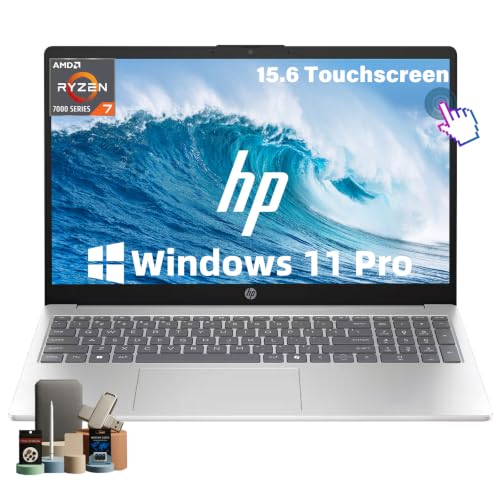
- 32GB RAM and 1TB NVMe SSD
- 15.6-inch Full HD IPS touchscreen
- Lightweight design with Windows 11 Pro
Best For: Everyday photo editing and multitasking
Best Dedicated Graphics Value
Dell Precision 3551 Workstation

- NVIDIA Quadro P620 4GB dedicated graphics
- 32GB RAM and 1TB SSD
- Matte Full HD display with Thunderbolt
Best For: Photo editing with dedicated graphics and workstation ports
Best Overall
Acer Aspire 14-Inch AI Touchscreen Laptop
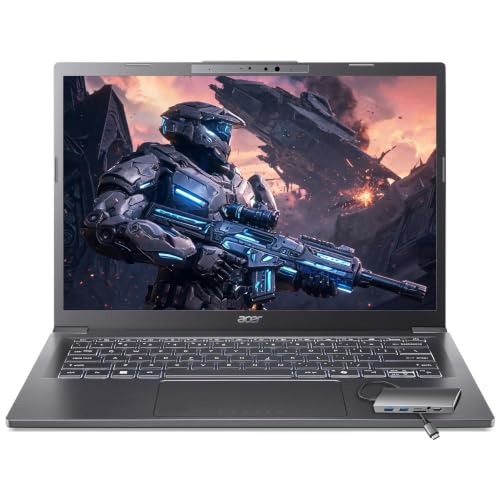
- 32GB RAM and Intel Arc graphics for smooth editing multitasking
- Large 2TB SSD for photo libraries and active projects
- Portable 14-inch touchscreen with included connectivity hub
Best For: Photographers needing storage, portability, and capable everyday editing performance
Best Budget-Friendly Workstation
HP 15.6-Inch i7 Touchscreen Laptop

- Large 15.6-inch Full HD touchscreen for comfortable editing
- Core i7 processor and 16GB RAM for everyday creative multitasking
- Windows 11 Pro with useful USB-C and HDMI connectivity
Best For: Students and creators handling routine photo editing and office tasks
Workstation Value Pick – Dell Precision 3571
For photographers seeking laptops for photo editing, the renewed Dell Precision 3571 offers a practical workstation setup with a 12th-generation Core i7 processor, 32GB of DDR5 memory, a 512GB NVMe SSD, and dedicated NVIDIA RTX A1000 graphics. Its 15.6-inch Full HD display provides a familiar workspace for editing and everyday productivity.
Best For: Photo editors who want workstation-class hardware, ample memory, and dedicated graphics in a refurbished laptop.
Pros:
- Core i7-12800H processor with up to 4.8GHz speed and 14 cores.
- 32GB DDR5 RAM and a fast 512GB NVMe SSD.
- Dedicated NVIDIA RTX A1000 graphics with 4GB of graphics memory.
- Two Thunderbolt 4 ports, HDMI, Ethernet, and PowerShare USB connectivity.
Cons:
- The 1920×1080 display is less spacious than a higher-resolution panel for detailed photo work.
- As a renewed product, condition and packaging may vary, though it includes a minimum 90-day warranty.
The Precision 3571 is a strong performance-oriented choice for editing workloads, especially when dedicated graphics and generous RAM matter more than a high-resolution built-in screen.
Upgradeable Creator Choice – NIMO AI-Creator Laptop
The NIMO AI-Creator is a flexible option among laptops for photo editing, pairing an 8-core Ryzen 7 8745HS processor with 32GB of DDR5 memory and a 1TB PCIe 4.0 SSD. Its integrated Radeon 780M graphics, upgradeable design, and broad port selection suit creators who also manage large libraries and multiple displays.
Best For: Photo editors who value upgradeability, substantial storage, long claimed battery life, and strong everyday multitasking.
Pros:
- 45W Ryzen 7 8745HS processor with 8 cores, 16 threads, and speeds up to 4.9GHz.
- 32GB DDR5 RAM and a 1TB PCIe 4.0 NVMe SSD.
- Dual SODIMM and dual M.2 slots support expansion up to 64GB RAM and 4TB SSD.
- USB4, HDMI 2.1, three USB-A ports, and a Micro SD reader support varied workflows.
Cons:
- The 15.6-inch display is Full HD rather than a higher-resolution panel.
- Radeon 780M graphics are integrated, not a dedicated GPU.
- Some listed battery figures are usage-dependent, particularly under heavy workloads.
With upgradeable memory and storage, the NIMO stands out as a flexible creator laptop. It is best suited to editors comfortable working on a Full HD screen and relying on integrated graphics.
Renewed Storage Workhorse – Dell Precision 5550
The renewed Dell Precision 5550 is a sensible candidate among laptops for photo editing when you need abundant working memory and local storage. It combines a Core i7-10850H processor, 32GB of RAM, a 1TB SSD, and dedicated Nvidia Quadro graphics in a 15.6-inch Full HD chassis.
Best For: Editors who want a renewed business workstation with a larger SSD and dedicated professional graphics.
Pros:
- Core i7-10850H processor reaches up to 5.1GHz.
- 32GB of RAM supports demanding multitasking and editing applications.
- 1TB SSD provides more working space for photo catalogs and projects.
- Dedicated Nvidia Quadro graphics and HDMI/DisplayPort video output.
Cons:
- The 1920×1080 display offers less editing workspace than a higher-resolution screen.
- Its 42Wh battery specification may limit unplugged endurance during demanding work.
- RAM is listed at 32GB maximum, leaving no stated memory-growth path.
The Precision 5550 makes the most sense for buyers prioritizing 1TB of storage and dedicated graphics over newer-generation components or a high-resolution display.
Large-Screen Color Pick – HP OmniBook 7
The HP OmniBook 7 is an appealing large-screen option among laptops for photo editing, with a 17.3-inch IPS touchscreen rated for 100% sRGB coverage. It also provides 32GB of LPDDR5x memory, a 1TB SSD, and integrated Intel Arc 140V graphics for a modern creator and business setup.
Best For: Photo editors who prioritize a spacious, color-focused built-in display and modern connectivity.
Pros:
- 17.3-inch Full HD IPS touchscreen with 400 nits and listed 100% sRGB coverage.
- 32GB LPDDR5x memory and a 1TB SSD.
- Intel Core Ultra 7 258V processor with Intel AI Boost rated at 47 NPU TOPS.
- Thunderbolt 4, USB-C, three USB-A ports, and HDMI 2.1.
Cons:
- Intel Arc 140V graphics are integrated rather than dedicated.
- The 17.3-inch design weighs 5.2 pounds and is less portable than a smaller laptop.
- Memory is listed as 32GB maximum, so it is not presented as upgradeable.
For photographers who edit primarily on the laptop itself, the OmniBook 7’s large 100% sRGB display is its defining advantage. Its integrated graphics make it better suited to photo work than especially GPU-intensive creative workloads.
Best Balanced Workstation – HP 15.6-inch Ryzen 7 Touchscreen Laptop
For shoppers comparing laptops for photo editing, this HP offers a practical mix of memory, storage, and everyday usability. Its 32GB of RAM and 1TB NVMe SSD support large photo libraries and multitasking, while the 15.6-inch Full HD IPS touchscreen provides a clear workspace.
Best For: Photo editors who prioritize generous memory, fast storage, and a touchscreen for general creative and productivity work.
Pros:
- 32GB RAM and a 1TB NVMe SSD provide useful capacity for applications and photo files.
- Ryzen 7 7730U with 8 cores and 16 threads is suited to demanding multitasking.
- Full HD IPS touchscreen, Wi-Fi 6, USB-C, HDMI, and two USB-A ports offer practical flexibility.
- Windows 11 Pro, a numeric keypad, privacy shutter, and 3.52-pound design support everyday use.
Cons:
- Integrated AMD Radeon graphics may be less suitable for graphics-intensive workflows than a laptop with dedicated graphics.
- The display is listed with a 45% color gamut, which may limit color-critical editing.
- The screen resolution is Full HD rather than a higher-resolution creative display.
This is a sensible choice for general photo editing, organization, and multitasking, but users who need highly accurate color or stronger GPU performance should look beyond its integrated graphics and modest color coverage.
Best for High-Volume Multitasking – ASUS Vivobook 15 Core i9 Laptop
This ASUS Vivobook is aimed at shoppers who want substantial headroom in laptops for photo editing. Its Intel Core i9-13900H processor, 48GB of RAM, and 2TB PCIe SSD are well suited to running creative software alongside other demanding applications.
Best For: Creators who need abundant memory and storage for large photo collections, multiple applications, and sustained professional multitasking.
Pros:
- Core i9-13900H processor, 48GB DDR4 RAM, and 2TB PCIe SSD provide strong on-paper productivity capacity.
- Backlit keyboard and fingerprint reader add convenience for mobile and low-light work.
- Physical webcam shield and Windows 11 Pro support privacy and professional use.
- Includes USB-C, multiple USB-A ports, HDMI, Wi-Fi 6, and a PCO Cooler in the bundle.
Cons:
- Integrated Intel UHD Graphics may not match the performance of a dedicated GPU for demanding editing or 3D work.
- The 15.6-inch display is Full HD, 60Hz, and listed as non-touch rather than a higher-resolution creator panel.
- The product is opened for RAM and SSD upgrades, with upgraded-component coverage provided by the bundle seller.
With exceptional memory and storage for its category, this Vivobook can be a capable productivity platform for photo workflows. Its integrated graphics and standard Full HD display make it less compelling for color-critical or GPU-heavy work.
Best Dedicated Graphics Value – Dell Precision 3551 Workstation
The renewed Dell Precision 3551 stands out among laptops for photo editing because it includes dedicated NVIDIA Quadro P620 graphics with 4GB of memory. Combined with 32GB RAM, a 1TB SSD, and a matte Full HD display, it offers a workstation-oriented setup for editing and connected desktop use.
Best For: Budget-conscious editors who value dedicated graphics, workstation connectivity, and a matte screen over newer hardware.
Pros:
- NVIDIA Quadro P620 4GB dedicated graphics provide a stronger graphics foundation than integrated-only systems.
- 32GB RAM and a 1TB SSD offer useful capacity for applications and photo storage.
- 400-nit matte/anti-glare Full HD display is suited to bright work environments.
- HDMI, Thunderbolt, Ethernet, and three USB ports support external monitors and accessories.
Cons:
- It is a renewed model with an older 10th-generation Core i7-10750H processor.
- The display is Full HD and its color-gamut information is not supplied, so color-critical suitability is uncertain.
- The listed warranty description is 90 days.
This Precision is the most workstation-focused option here thanks to its dedicated Quadro graphics and broad connectivity. Its renewed status, older platform, and unspecified color coverage should be weighed carefully before professional color-critical work.
Best Overall – Acer Aspire 14-Inch AI Touchscreen Laptop
For shoppers comparing laptops for photo editing, this Acer Aspire combines a Core Ultra 7 processor, 32GB of memory, integrated Intel Arc graphics, and a 14-inch touchscreen. Its 2TB SSD is especially useful for photographers who keep large libraries and active projects on the laptop.
Best For: Photographers and creative professionals who want strong multitasking, generous storage, and a portable touchscreen system.
Pros:
- 32GB LPDDR5X RAM supports demanding multitasking and creative applications.
- 2TB PCIe SSD provides substantial space for photos, videos, and project files.
- Intel Arc 140V graphics support Lightroom and GPU-accelerated editing workflows.
- Included hub adds HDMI, USB-A, USB-C, SD card, and Ethernet connectivity.
Cons:
- 1920×1200 resolution and 60Hz refresh rate may feel limited for detail-focused work.
- Integrated graphics are better suited to photo editing and 1080p video work than demanding professional 3D workloads.
This is the most storage-rich option in the group and offers a well-rounded balance of editing capability, portability, and connectivity. The touchscreen and stylus support can also make localized retouching more intuitive.
Best Budget-Friendly Workstation – HP 15.6-Inch i7 Touchscreen Laptop
This HP is a practical choice among laptops for photo editing if you prefer a larger 15.6-inch Full HD touchscreen and a business-oriented Windows 11 Pro setup. Its Core i7 processor and 16GB of RAM are suited to everyday editing, portfolio work, and multitasking.
Best For: Students, business users, and newer creators who want a larger touchscreen without moving to a heavier dedicated-graphics laptop.
Pros:
- 10-core Intel Core i7 processor reaches speeds of up to 5GHz for responsive creative workflows.
- 15.6-inch Full HD touchscreen offers a larger workspace for editing and previews.
- 16GB RAM and a 512GB SSD support common photo-editing applications and project storage.
- USB-C, HDMI, Wi-Fi 6, and a numeric keypad add practical everyday flexibility.
Cons:
- Integrated Intel Iris Xe graphics are less suitable for heavier GPU-accelerated workloads.
- 512GB of storage may require external or cloud storage for larger photo libraries.
- The listed display resolution is Full HD rather than a higher-resolution panel.
The HP emphasizes screen size and general-purpose usability over maximum graphics performance. It is a sensible fit for routine photo editing, client reviews, and office work, especially when paired with external storage for a growing image collection.
Best Portable Pick – Acer Aspire 14-Inch FHD Touchscreen Laptop
This compact Acer Aspire is one of the more travel-friendly laptops for photo editing, pairing a 14-inch IPS touchscreen with 32GB of RAM and Intel Arc graphics. It provides the same capable Core Ultra 7 platform as the larger-storage Acer while using a 1TB SSD.
Best For: Mobile photographers, freelancers, and creators who want a lightweight editing laptop with modern connectivity.
Pros:
- Lightweight 3.09-pound design and 0.67-inch thickness suit mobile work.
- 32GB LPDDR5X RAM supports large numbers of applications and browser tabs.
- Intel Arc 140V graphics are designed to accelerate Lightroom and other creative effects.
- IPS touchscreen, Wi-Fi 6E, and HDMI/USB-C output support flexible work setups.
Cons:
- 1TB SSD offers less built-in storage than the comparable 2TB Acer model.
- Integrated graphics and a 1920×1200 display may not satisfy demanding video or color-critical workflows.
Choose this version when portability matters more than maximum internal storage. It has the memory and graphics features needed for everyday photo editing, while its compact design and broad connectivity make it convenient for working between locations.
How We Picked the Best Laptops for Photo Editing
We focused on the hardware that has the greatest effect on real-world editing: display quality, processor performance, RAM, storage, graphics capability, and overall usability. Models with 32GB of memory and 1TB or more of SSD storage are especially well suited to large photo libraries and multitasking. We also considered renewed workstations because they can offer professional-grade components at a lower price, while checking whether older hardware remains a sensible value in 2026.
Specifications can vary by configuration, so confirm the exact display coverage, ports, wireless standard, warranty, and operating-system edition before purchasing.
Quick Comparison
| Best For | What to Prioritize |
|---|---|
| Serious RAW and layered editing | 32GB RAM, fast H-series processor, accurate display, dedicated graphics |
| Large photo libraries | 1TB or 2TB NVMe SSD, upgradeable storage, reliable backup options |
| Portable creative work | Efficient modern processor, bright display, strong battery life, manageable weight |
| Budget-conscious editing | At least 16GB RAM, SSD storage, Full HD IPS screen, upgrade potential |
| External-monitor workflows | USB-C, HDMI, docking support, and dependable graphics output |
Key Buying Factors for Laptops for Photo Editing
Display and Color Accuracy
A Full HD IPS panel is a practical minimum, but resolution alone does not guarantee accurate color. Look for high sRGB coverage, consistent brightness, wide viewing angles, and a matte finish if you work under strong lighting. A 100% sRGB display is preferable for web publishing and general creative work. Photographers producing print or wide-gamut content may want an external calibrated monitor.
Processor and Graphics
Choose a recent Core Ultra, Core i7, Ryzen 7, or comparable processor for smooth importing, previews, exports, and multitasking. H-series chips generally deliver more sustained performance than low-power U-series processors. Dedicated graphics can accelerate supported effects and provide extra headroom, although it is not essential for basic Lightroom or Photoshop work.
Memory, Storage, and Connectivity
Sixteen gigabytes of RAM is workable, while 32GB is a better long-term target for large files and multiple applications. A 1TB SSD offers a useful balance of speed and capacity; 2TB is more convenient for active libraries. Check for fast USB-C, USB-A, HDMI, an SD card reader, and enough ports for your backup drives and displays.
Who Should Buy Which Laptops for Photo Editing?
Choose a renewed Dell Precision if you want workstation-oriented construction, professional graphics, and strong multitasking value. Choose a modern AI-equipped model if you prioritize newer processors, efficient performance, and longer platform support. Choose a 17.3-inch creator laptop if screen size matters more than portability. Choose a mainstream HP, ASUS, or Acer system for everyday photo editing, school, travel, and general productivity, especially when paired with a calibrated external monitor.
Whichever model you choose, maintain at least two backups of important photos and verify the display specification before ordering. Hardware helps, but a calibrated workflow and dependable storage matter just as much for consistent results.