The best laptops for programming balance processing power, memory, storage, portability, and keyboard comfort without wasting money on hardware you will not use. This roundup compares 10 developer-friendly options across several screen sizes and performance tiers.
Whether you are learning to code, building web apps, running virtual machines, or working with AI tools, the right laptop should provide enough headroom for your current projects and a practical path for future workloads.
Best 10 Laptops for Programming Picks for 2026
Best Value Workhorse

- 32GB RAM and 1TB PCIe SSD
- Ryzen 7 7730U with 8 cores
- 15.6-inch FHD display and Windows 11 Pro
Best For: Developers needing strong multitasking and ample storage
Best Compact AI Option

- Ryzen AI 7 350 with XDNA NPU
- 14-inch 1920×1200 16:10 display
- Backlit keyboard and up to 12 hours claimed battery life
Best For: Portable coding and AI-assisted productivity
Best Large-Screen Multitasker
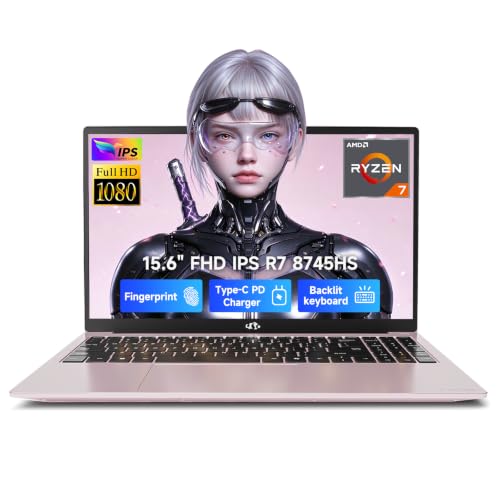
- Ryzen AI 9 HX 370 with 12 cores
- 32GB DDR5 and 1TB SSD included
- Upgradeable RAM and dual M.2 slots
Best For: Desk-based coding and demanding multitasking
Best Balanced Workhorse
Lenovo 16-Inch Core i5 Programming Laptop

- 8-core Core i5 with 16GB DDR5 RAM
- 512GB PCIe 4.0 NVMe SSD
- 16-inch WUXGA anti-glare display
Best For: Students and developers wanting screen space and balanced performance
Best High-Memory Option
Acer Aspire Go 16-Inch i9 Touchscreen Laptop

- Core i9-13900H processor up to 5.4GHz
- 32GB LPDDR5 RAM for heavy multitasking
- 1TB SSD and 16-inch WUXGA touchscreen
Best For: Developers running demanding tools and many applications simultaneously
Best Budget-Friendly Business Pick
Lenovo V15 Ryzen 5 Programming Laptop

- 6-core, 12-thread Ryzen 5 5500U
- 16GB RAM and 512GB NVMe SSD
- Windows 11 Pro with Ethernet and HDMI
Best For: Students and office users needing practical ports and business features
Large-Screen Coding Workhorse

- 32GB RAM and 1TB NVMe SSD
- 13th Gen Core i7 processor
- 17.3-inch touchscreen with fingerprint reader
Best For: Desk-based programmers wanting a spacious display and strong multitasking capacity
AI-Ready Professional Pick

- Core Ultra 7 with 47 TOPS NPU
- 32GB LPDDR5 and configurable SSD
- FHD touchscreen with Thunderbolt 4
Best For: Professional developers and analysts using virtual machines, large datasets, or multiple displays
High-Performance Portable Option
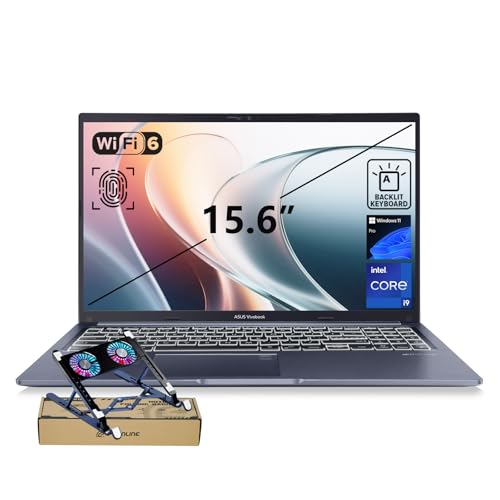
- 14-core Core i9-13900H processor
- 32GB RAM and 1TB SSD
- 15.6-inch Full HD display with privacy shield
Best For: Developers seeking strong CPU performance in a more portable 15.6-inch laptop
Best Value Workhorse – HP 255 G10
If you need laptops for programming that can handle several development tools, browser tabs, and local files without a premium price tier, the HP 255 G10 offers a practical configuration. Its Ryzen 7 processor, 32GB of RAM, and 1TB SSD are well suited to everyday coding and multitasking.
Best For: Developers who want abundant memory, generous storage, and a full-size 15.6-inch work screen.
Pros:
- 32GB RAM supports substantial multitasking across coding tools and browser tabs.
- 1TB PCIe SSD provides fast boot times and room for projects and applications.
- Ryzen 7 7730U offers 8 cores and 16 threads for demanding everyday workloads.
- Windows 11 Pro, Wi-Fi 6, HDMI, and a numeric keypad add workplace flexibility.
Cons:
- Integrated Radeon graphics are less suited to graphics-heavy development or gaming than a dedicated GPU.
- The 250-nit display and 45% NTSC coverage are functional rather than ideal for color-sensitive work.
This is a sensible programming laptop for buyers who prioritize RAM and storage over premium display quality or specialized graphics performance.
Best Connectivity – Lenovo ThinkBook 16 Gen 8
Among laptops for programming, the Lenovo ThinkBook 16 Gen 8 stands out for its modern connectivity and spacious 16:10 workspace. Its 32GB DDR5 memory, 1TB SSD, and business-focused security features make it a strong option for development, data work, and professional multitasking.
Best For: Developers who use multiple peripherals, external displays, large files, and business applications.
Pros:
- 32GB DDR5 RAM and a 1TB NVMe SSD support fast application launches and multitasking.
- 16-inch WUXGA IPS display provides extra vertical space over standard Full HD.
- Thunderbolt 4, HDMI 2.1, Ethernet, an SD card reader, and multiple USB ports offer flexible expansion.
- Windows 11 Pro, fingerprint login, TPM 2.0, and BitLocker support a business-ready setup.
Cons:
- Integrated Intel Arc graphics share system memory rather than using dedicated video memory.
- The 16-inch chassis is less compact than a typical 14-inch programming laptop.
Choose this ThinkBook when ports, security, and a roomy productivity display matter as much as core processing performance.
Best Compact AI Option – ASUS Vivobook 14
The ASUS Vivobook 14 is a compact choice for shoppers comparing laptops for programming and everyday productivity. Its Ryzen AI 7 350 processor, 16:10 WUXGA display, backlit keyboard, and claimed battery life focus on portable work, while the integrated Radeon graphics handle general visual tasks.
Best For: Mobile developers and students who value portability, AI features, and a comfortable 14-inch workspace.
Pros:
- Ryzen AI 7 350 provides 8 cores, 16 threads, and an XDNA NPU for AI workloads.
- 14-inch 1920×1200 display offers a 16:10 layout and 300-nit brightness.
- Backlit keyboard, Wi-Fi 6, Bluetooth 5.3, and fast charging support mobile use.
- PCIe 4.0 SSD and 16GB RAM cover common coding, browsing, and productivity needs.
Cons:
- Its 512GB SSD and 16GB RAM provide less headroom than the 32GB/1TB configurations in this roundup.
- Integrated Radeon graphics are not intended as a dedicated graphics solution.
This Vivobook is a good fit when a smaller footprint and newer AI-focused processor are more important than maximum upgrade capacity.
Best Large-Screen Multitasker – NIMO 17.3 AI Laptop
For developers who prefer a large desktop-like workspace, the NIMO 17.3 AI laptop brings a 12-core Ryzen AI 9 HX 370, 32GB DDR5 memory, and a 1TB SSD to the laptops for programming category. Its large display and upgrade-friendly internals are especially useful for keeping code, documentation, and project tools visible together.
Best For: Desk-based developers, professionals, and students who want a large screen and expansion options.
Pros:
- Ryzen AI 9 HX 370 supplies 12 cores and 24 threads for heavily multitasked workloads.
- 32GB DDR5-5600 memory and a 1TB SSD provide a strong starting configuration.
- Two RAM slots support up to 64GB, while two M.2 PCIe 4.0 slots offer storage expansion.
- 17.3-inch display, backlit keyboard, USB4, and 100W USB-C PD charging suit desk and office work.
Cons:
- The 17.3-inch form factor is less convenient for frequent travel than a smaller laptop.
- The supplied notes do not specify the display resolution or refresh rate.
- Radeon 890M is integrated graphics, so graphics performance depends on system configuration and power settings.
This NIMO is compelling for users who value processing headroom, a large viewing area, and upgrade flexibility over maximum portability.
Best Balanced Workhorse – Lenovo 16-Inch Core i5 Programming Laptop
For shoppers comparing laptops for programming, this Lenovo pairs an 8-core Intel Core i5-13420H with 16GB of DDR5 memory and a 512GB PCIe 4.0 NVMe SSD. Its 16-inch 1920×1200 anti-glare display provides useful vertical space for code, documentation, and terminal windows.
Best For: Students, developers, and general productivity users who want a large display, solid multitasking, and modern connectivity.
Pros:
- 8-core processor with turbo speeds up to 4.6GHz suits multitasking and programming workloads.
- 16GB DDR5 RAM and a fast 512GB PCIe 4.0 SSD support responsive development workflows.
- 16-inch WUXGA IPS display, USB-C with DisplayPort, HDMI, Wi-Fi 6, and an SD card reader add flexibility.
- Light 3.70-pound design includes a webcam privacy shutter and MIL-STD-810H testing.
Cons:
- Integrated Intel UHD Graphics are intended for light creative work rather than demanding graphics workloads.
- The display is rated at 300 nits and 45% NTSC, so it may be less suitable for color-critical work.
This is a practical all-around choice for programming, especially if you value screen space and portability more than dedicated graphics performance.
Best High-Memory Option – Acer Aspire Go 16-Inch i9 Touchscreen Laptop
If you need laptops for programming that can handle heavier multitasking, the Acer Aspire Go combines an Intel Core i9-13900H with 32GB of RAM and a 1TB SSD. Its 16-inch WUXGA IPS touchscreen offers a spacious workspace for code, tools, browsers, and documentation.
Best For: Developers and business users running demanding applications, many browser tabs, and multiple development tools at once.
Pros:
- Core i9-13900H processor reaches speeds up to 5.4GHz for demanding workloads.
- 32GB of LPDDR5 RAM provides substantial multitasking capacity.
- 1TB SSD offers more storage for development tools, projects, and media.
- WUXGA IPS touchscreen, backlit keyboard, Wi-Fi 6, HDMI, and USB-C improve usability and connectivity.
Cons:
- Intel Iris Xe integrated graphics are not a substitute for a dedicated GPU for graphics-intensive work.
- The 53-watt-hour battery specification may be a consideration for users prioritizing long unplugged sessions.
With the strongest memory and storage configuration in this group, this Acer is well suited to programming setups where multitasking headroom matters most.
Best Budget-Friendly Business Pick – Lenovo V15 Ryzen 5 Programming Laptop
For practical laptops for programming on a business-oriented setup, the Lenovo V15 offers a six-core, 12-thread Ryzen 5 5500U, 16GB of RAM, and a 512GB PCIe NVMe SSD. Its 15.6-inch Full HD display and Windows 11 Pro support everyday coding and productivity work.
Best For: Students, office users, and developers seeking useful ports, a numeric keypad, and a straightforward Windows 11 Pro laptop.
Pros:
- Ryzen 5 5500U provides 6 cores and 12 threads with boost speeds up to 4.0GHz.
- 16GB RAM and a 512GB NVMe SSD cover common programming and multitasking needs.
- Includes HDMI, USB-C, USB-A, RJ45 Ethernet, Wi-Fi 6, and Bluetooth 5.3.
- Windows 11 Pro adds business-focused features, while the numeric keypad benefits spreadsheet-heavy work.
Cons:
- The 15.6-inch 1920×1080 LCD provides less vertical workspace than the 16-inch WUXGA alternatives.
- Integrated AMD Radeon Graphics are suited to general use rather than demanding GPU workloads.
- The listed LPDDR4 memory maximum is 16GB, leaving no stated memory expansion headroom.
This Lenovo emphasizes practical connectivity and business features, making it a sensible choice for foundational programming, coursework, and office-focused development.
Large-Screen Coding Workhorse – HP Essential 17
For shoppers comparing laptops for programming, this HP Essential combines a 13th Gen Core i7 processor with 32GB of RAM and a 1TB PCIe NVMe SSD. Its spacious 17.3-inch touchscreen suits desk-based development, though the HD+ resolution is less sharp than a Full HD panel.
Best For: Programmers who prioritize a large display, generous memory, and substantial storage for multitasking.
Pros:
- 32GB DDR4 RAM supports multiple applications, browser tabs, and development tools.
- 1TB PCIe NVMe SSD provides fast startup and ample project storage.
- 13th Gen Intel Core i7-1355U offers up to 5.0GHz turbo speed.
- Includes a backlit keyboard, fingerprint reader, Wi-Fi 6, and three USB ports.
Cons:
- 1600 x 900 display is less detailed than a 1080p screen.
- Integrated Intel Iris Xe graphics are not intended for demanding dedicated-GPU workloads.
- The product was opened for RAM and SSD upgrades, so warranty coverage is split between the seller and manufacturer.
This is a practical choice for coding at a fixed workspace, especially if screen size and memory matter more than resolution or portability. Verify the upgrade warranty terms before purchase.
AI-Ready Professional Pick – HP OmniBook 7 17
This HP OmniBook 7 is one of the more capable laptops for programming in this roundup, pairing an Intel Core Ultra 7 258V with 32GB LPDDR5 memory and selectable SSD capacities. Windows 11 Pro, Thunderbolt 4, and virtualization features make it suited to professional development workflows.
Best For: Software engineers, data analysts, and power users who need large-screen multitasking, external-display support, and Windows Pro features.
Pros:
- Core Ultra 7 processor includes a 47 TOPS NPU for supported AI workloads.
- 32GB LPDDR5 RAM is designed for virtual machines, large datasets, and complex projects.
- 17.3-inch FHD IPS touchscreen offers 400 nits brightness.
- Thunderbolt 4, HDMI 2.1, Wi-Fi 6E, Windows 11 Pro, and Windows Hello add professional flexibility.
Cons:
- SSD capacity varies by configuration, so confirm the selected option before ordering.
- The computer was resealed for an SSD upgrade, with the listed warranty provided by the seller.
- Its large 17-inch form factor may be less convenient for frequent travel.
With its high-memory configuration, FHD touchscreen, and Windows 11 Pro tools such as Hyper-V and Remote Desktop, this is a strong fit for demanding development environments. Check the exact SSD selection and warranty details at checkout.
High-Performance Portable Option – ASUS Vivobook 15
For programming workloads that benefit from strong CPU performance in a smaller chassis, this ASUS Vivobook 15 pairs a 14-core Intel Core i9-13900H with 32GB RAM and a 1TB SSD. The Full HD display, privacy webcam shield, and Windows 11 Pro make it a versatile everyday development laptop.
Best For: Developers who want high processor performance, ample memory, and a more portable 15.6-inch format.
Pros:
- Intel Core i9-13900H provides 14 cores for demanding multitasking.
- 32GB DDR4 RAM and a 1TB PCIe SSD support large projects and fast boot times.
- 15.6-inch 1920 x 1080 display provides clear Full HD workspace.
- Backlit keyboard, fingerprint reader, webcam privacy shield, HDMI, and multiple USB ports improve usability.
Cons:
- Integrated Intel UHD Graphics are not suited to graphics-intensive workloads requiring a dedicated GPU.
- The bundled cooler addresses sustained-CPU thermals but adds an accessory to the setup.
- The laptop was opened for upgrades, so RAM/SSD coverage differs from the remaining manufacturer coverage.
This Vivobook is a compelling programming option when CPU throughput and portability matter more than premium graphics. The included cooling accessory and upgrade coverage are worth reviewing before purchase.
How We Picked These Laptops for Programming
We focused on the hardware that most directly affects development: processor performance, RAM capacity, SSD storage, display usability, connectivity, and everyday ergonomics. The selection includes systems with at least 16GB of memory and solid-state storage, since modern IDEs, browsers, containers, and local development tools can quickly use modest resources.
We also considered variety. Larger 16- and 17.3-inch models suit desk-based work and multitasking, while 14- and 15.6-inch laptops are generally easier to carry. AI-capable processors may benefit coding assistants and future software features, but they should not replace checking the basics such as CPU performance, RAM, thermals, and battery expectations.
Quick Comparison
| Best For | Recommended Configuration | Why It Matters |
|---|---|---|
| Students and beginners | 16GB RAM, 512GB SSD, modern Ryzen 5 or Core i5 | Good value for web development, coursework, and general coding |
| Professional development | 32GB RAM, 1TB SSD, Core i7/Core Ultra 7 or Ryzen 7-class CPU | More room for IDEs, containers, databases, and multitasking |
| AI and local workloads | AI-ready processor, 32GB RAM, fast 1TB SSD | Better suited to compatible AI tools and demanding workflows |
| Large projects and multitasking | 16- or 17.3-inch display with a high-performance H-series chip | More screen area and processing headroom at a desk |
Key Buying Factors for Laptops for Programming
Processor
Choose a recent Ryzen 5, Ryzen 7, Core 5, Core i5, Core i7, or Core Ultra processor for most development tasks. H-series chips are useful for compiling large projects, running emulators, and using virtual machines, while lower-power processors can be preferable when portability and battery life matter more.
RAM and Storage
16GB is a sensible minimum for serious programming. Select 32GB if you regularly use Docker, virtual machines, Android Studio, multiple IDEs, or large browser sessions. A 512GB SSD works for lighter workloads, but a 1TB drive provides more comfortable space for source trees, SDKs, local databases, and development environments.
Display, Keyboard, and Ports
A sharp Full HD or WUXGA screen reduces eye strain and gives you more usable workspace. Larger displays help with side-by-side code and documentation, while backlit keyboards, a comfortable layout, HDMI, USB ports, and Ethernet can improve productivity. Check whether a model includes the ports and numeric keypad you actually need.
Operating System and Upgradeability
Windows 11 works well with most mainstream development tools, but confirm compatibility with your preferred language, containers, emulators, and Linux workflow. Also check whether RAM and storage are upgradeable; some thin laptops have components that are soldered and cannot be expanded later.
Who Should Buy Which Laptops for Programming?
- Students and first-time coders: Look for an affordable 14- or 15.6-inch laptop with 16GB RAM and a 512GB SSD.
- Web and software developers: A 32GB, 1TB configuration offers a comfortable balance for IDEs, browsers, containers, and local services.
- Developers who prefer a desktop-like setup: Choose a 16- or 17.3-inch model for extra screen space and easier multitasking.
- AI, data, and mobile developers: Prioritize a strong multi-core processor, 32GB RAM, 1TB storage, and an AI-capable platform where supported.
- Frequent travelers: Favor a smaller, lighter system and verify battery reviews, charger size, webcam quality, and port selection before buying.
Finally, compare current pricing, warranty coverage, return terms, and the exact configuration listed by the seller. Memory, storage, display resolution, and processor names can vary between similarly branded models.